
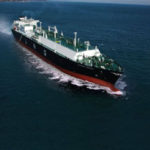
LNG Shock: From Supply Disruption to System Strain
in International Shipping News
25/03/2026

Damaged Qatari infrastructure and a near-collapse in Hormuz transit are shifting the LNG market from a supply shock to a flow-constrained crisis.
The global LNG market remains under significant stress following Iranian attacks on Qatari energy infrastructure, which have removed approximately 17% of Qatar’s LNG export capacity, equivalent to roughly 3% of global LNG supply. The disruption is concentrated in the LNG liquefaction trains at Ras Laffan, where strikes damaged processing units and associated infrastructure, resulting in multiple trains being taken offline. Repair timelines are currently estimated at three to five years for full capacity restoration.
In an official statement, QatarEnergy confirmed that affected trains were shut down following the incident and that LNG exports are continuing at reduced capacity from unaffected facilities. The company also stated that technical assessments are ongoing and that work has begun to address the damage.
European gas prices reacted sharply following the disruption, with benchmark TTF contracts moving higher. Prices remain elevated, and forward curves indicate continued tightness through 2027.
At the geopolitical level, tensions remain high. Statements by Donald Trump included a 48-hour ultimatum to Iran to reopen the Strait of Hormuz and threats targeting Iranian energy infrastructure. This ultimatum was subsequently…
Full report available at the source: