

Ports & Terminals: Operational Intelligence
Strategic Hubs & Infrastructure Oversight
For shipowners, charterers and operators, effective planning of port calls, berth availability, vessel coordination and regulatory compliance remains central to efficient vessel utilisation and schedule reliability. Regional port operations also depend on effective contingency planning as changing traffic patterns and local operating conditions influence berth utilisation, vessel turnaround and terminal performance.
Marine Logistics & Terminal Operations
Physical fuel supply, cargo handling and terminal operations continue with generally stable operating conditions. Dependable bunker availability supports voyage planning and operational flexibility. Modern terminal performance increasingly depends on accurate pre-arrival documentation, environmental compliance and close coordination between vessel operators, port agents and terminal personnel. As fuel costs continue to influence voyage economics, efficient port operations remain essential for maintaining schedule reliability and commercial performance.
Integrated Port Services
Beyond cargo handling, AAJS continues to monitor the operational interface between ship and shore. This includes terminal infrastructure developments, bunker logistics, customs procedures, vessel services and the wider transport networks that support efficient maritime trade.
International Port Operations & Seasonal Activity
As the Northern European cruise season progresses into its later stages, scheduled passenger calls are becoming less frequent across the regional port network. The thinner cruise programme places greater emphasis on the continued coordination of cargo operations, energy movements and other maritime traffic, while berth planning, harbour traffic management and efficient terminal operations remain important throughout the year.
Across the principal international gateways featured in today’s report, port authorities and terminal operators continue to coordinate vessel scheduling, cargo handling, passenger movements and landside logistics. Operating conditions vary by location and traffic mix, but reliable vessel turnaround, effective coordination and resilient terminal infrastructure remain central to maintaining efficient maritime trade.
Current Terminal Status (Wednesday, October 21, 2026):
- Rotterdam Europoort: Chemical, Petrochemical & Oil Logistics
Europoort, together with Rotterdam’s other port areas, forms one of Europe’s major chemical and petrochemical industrial areas. Crude oil is processed into a wide range of oil products, supported by large-scale tank storage and deep-water terminals serving major tanker operations.
Extensive pipeline infrastructure connects Rotterdam with refineries and industrial facilities in the Netherlands and other European markets. The combination of deep-water access, storage, refining and pipeline connectivity makes Europoort a major hub for Europe’s oil, chemical and petrochemical industries.
- Singapore (Tuas Mega-Port & Pasir Panjang): East-West Trade Gateway
Singapore’s principal container terminals remain central to East-West maritime trade, supporting high-volume container movements between Asia, Europe, the Middle East and other major trading regions. Tuas Port forms the foundation of Singapore’s long-term container-terminal development, while Pasir Panjang remains an important part of the existing terminal network. Efficient berth coordination, terminal handling and landside connectivity continue to support Singapore’s role as a major global maritime gateway.
- Houston (Barbours Cut & Bayport): Energy Corridor Operations
Terminal activity remains an important component of Houston’s maritime operating environment, supported by steady movements of crude oil, LNG, petrochemicals and containerised cargo. The combination of energy exports and diversified cargo volumes continues to reinforce Houston’s role as one of the Gulf Coast’s principal maritime gateways.
Port Houston forms a major component of the Houston Ship Channel’s maritime infrastructure, with more than a century of experience operating public wharves and terminals alongside a wider network of more than 200 private and eight public facilities. The port complex supports diverse cargo activity, including breakbulk, containerised trade and energy-related movements, with Barbours Cut and Bayport forming important elements of the region’s modern terminal network.
- Felixstowe UK Container Gateway & Intermodal Pivot
Felixstowe continues to serve as a major UK container gateway, supporting deep-sea container services and connections with international shipping networks. The port’s Trinity and Landguard terminal areas are supported by extensive container-handling infrastructure, storage capacity and rail connections linking the port with the wider UK logistics network. The combination of deep-water access, terminal capacity and intermodal connectivity remains important to the efficient movement of containerised cargo into and out of the UK.
Port Efficiency & Vessel Turnaround
PORT EFFICIENCY • TURNAROUND REMAINS A KEY COMMERCIAL FACTOR
For shipowners and operators, port efficiency extends well beyond berth availability. Pilotage, tug coordination, cargo readiness, documentation, bunkering and departure clearance all contribute to the total time a vessel spends in port. Even relatively short delays can have a cumulative effect on vessel utilisation when repeated across a trading cycle.
Effective coordination between ship, agent, terminal and harbour authorities therefore remains an important component of voyage economics. Reliable turnaround performance allows operators to maintain schedules, reduce idle time and make better use of available vessel capacity.
Port Resilience & Infrastructure
PORT RESILIENCE • INFRASTRUCTURE SUPPORTS LONG-TERM COMPETITIVENESS
Modern ports are increasingly required to combine cargo-handling efficiency with resilience, environmental compliance and long-term infrastructure planning. Investments in quay capacity, terminal automation, shore-side logistics and supporting transport connections can strengthen a port’s ability to accommodate changing vessel sizes, cargo patterns and regulatory requirements.
For regional ports, the same principle applies on a smaller scale. Reliable quay infrastructure, sufficient depth, efficient cargo equipment and dependable harbour services can make a significant difference to the attractiveness of a port for both scheduled and project-related traffic.
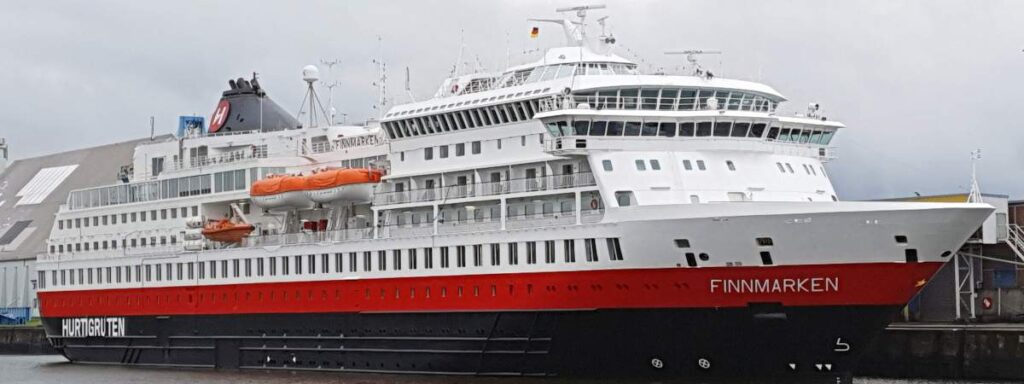
Narvik Havn (Narvik Port): Northern Norway Maritime Gateway
Narvik Havn serves as an important maritime gateway in Northern Norway, supporting a combination of industrial cargo, bulk logistics, coastal traffic and seasonal cruise operations. Its deep-water facilities and established harbour infrastructure support both commercial vessel movements and passenger calls, while coordination between harbour services, terminals and vessel operators remains central to efficient port operations.
NARVIK OUTLOOK • NORTHERN MARITIME ACTIVITY
The port’s October schedule includes several cruise calls, followed by further passenger and maritime activity later in the month. The combination of industrial cargo operations and passenger services gives Narvik a diverse maritime operating profile throughout October.
Karmsund Havn (Haugesund Region Hub)
Karmsund Havn serves as an important regional maritime hub, combining industrial cargo activity, cruise operations, passenger services and coastal traffic across the Haugesund and Karmsund area. The port supports a varied mix of commercial and passenger movements, with coordination between terminals, harbour services and vessel operators remaining central to reliable operations.
- Husøy Cargo Terminals:
Husøy supports a broad range of industrial cargo activity, including ro-ro, container and conventional cargo operations. Infrastructure and quay development continue to support the terminal’s role as an important maritime logistics centre serving both domestic and international shipping requirements. - Garpeskjær Cruise Port: Cruise Operations Update
Garpeskjær provides an important cruise interface for Haugesund, with harbour services, berth coordination and passenger-handling arrangements supporting the region’s seasonal cruise activity. - Kopervik Terminal (Vestamarankaien): Regional Traffic Update
Vestamarankaien supports regional passenger services, coastal shipping and local maritime traffic within the Karmsund district. The terminal forms part of the wider harbour infrastructure serving scheduled coastal movements and local maritime activity.
KARMSUND OUTLOOK • REGIONAL MARITIME ACTIVITY REMAINS STEADY
Industrial cargo, coastal traffic and seasonal cruise activity give the Karmsund region a diverse maritime operating profile. While individual terminal activities vary according to vessel schedules and cargo demand, the wider harbour system remains an important component of the region’s maritime infrastructure.
For operators calling at Haugesund and the surrounding terminals, dependable harbour services, efficient berth coordination and close communication between vessels and shore-side organisations remain central to reliable port calls.