

Ports & Terminals: Operational Intelligence
Strategic Hubs & Infrastructure Oversight
For shipowners, charterers and operators, careful planning of port calls, berth availability and local compliance requirements remains essential for minimising delays and maintaining efficient vessel utilisation.
Although recent diplomatic efforts have eased immediate tensions surrounding the Strait of Hormuz, commercial shipping continues to operate under elevated regional risk. Vessel movements remain influenced by precautionary routing measures, enhanced security assessments and ongoing geopolitical uncertainty.
Marine Logistics & Terminal Operations
Physical fuel and bulk cargo operations entered Saturday under stable conditions as reliable fuel availability and balanced bunker markets continued to support efficient voyage planning, procurement decisions and operational flexibility for ship operators.
Latest bunker assessments indicate balanced market conditions across the world’s principal bunkering hubs. Rotterdam VLSFO was assessed at USD 678.50/MT and Singapore VLSFO at USD 837.50/MT. Marine Gas Oil (MGO) was assessed at USD 1,282.00/MT in Rotterdam, compared with USD 1,225.50/MT in Singapore. Physical fuel availability remains normal across both major bunkering hubs.
Efficient terminal operations increasingly depend on pre-arrival documentation, environmental compliance procedures and effective coordination between vessel operators, agents and terminal personnel. With voyage economics remaining closely linked to fuel costs, port efficiency continues to play an important role in maintaining schedule reliability and commercial performance.
Integrated Port Services
Beyond cargo handling, AAJS continues to monitor the operational interface between ship and shore. This includes terminal infrastructure developments, bunker logistics, customs procedures, vessel services and the wider transport networks that support efficient maritime trade.
This approach reflects the continuing evolution of Shipping International – The Maritime Net Magazine, combining historical maritime knowledge with practical operational intelligence relevant to today’s shipping industry.
International Port Operations
Summer cruise activity continues across Northern Europe alongside steady cargo handling at major international ports. Seasonal passenger traffic, energy exports and container volumes continue to highlight the importance of berth coordination, harbour traffic management and efficient terminal operations. Despite differing regional operating conditions, overall operational performance remains strong across the principal ports featured in today’s report.
Current Terminal Status (Saturday, August 01, 2026):
- Rotterdam (Maasvlakte II / Botlek): Northwest Europe Bunker Hub
Cargo handling and vessel turnaround times remain efficient across Rotterdam’s extensive terminal network. Competitive bunker pricing together with reliable fuel availability continue to strengthen Rotterdam’s position as one of Northern Europe’s preferred refuelling and logistics hubs.
- Singapore (Tuas Mega-Port / Pasir Panjang): East-West Trade Gateway
Singapore continues to report strong activity levels across its container terminals, supported by sustained demand along major East-West trade routes. Container throughput remains strong despite high berth utilisation, while operational efficiency and bunker availability continue to support Singapore’s position as the world’s leading marine fuel hub.
- Houston (Barbours Cut & Bayport): Energy Corridor Operations
Terminal activity throughout the Houston Ship Channel remains robust, supported by strong energy, petrochemical and container cargo flows. Strong crude oil, LNG, petrochemical and container cargo flows continue to reinforce Houston’s position as one of the Gulf Coast’s principal maritime gateways.
- Narvik: Bulk Export Hub & Seasonal Cruise Operations
Iron ore exports continue to underpin activity at Narvik, where efficient loading operations and year-round deep-water access support reliable shipments to international steel producers. Alongside its core bulk cargo role, the port continues to accommodate seasonal cruise traffic, reflecting Narvik’s growing importance as both an industrial export hub and an Arctic tourism destination. The combination of efficient bulk operations and expanding cruise activity further strengthens Narvik’s position as one of Northern Norway’s most strategically important ports.
- Karmsund Havn (Haugesund Region Hub):
- Husøy Cargo Terminals: Industrial cargo operations continue normally across ro-ro, container and conventional cargo segments. Ongoing infrastructure investments and quay improvements continue to strengthen the terminal’s long-term operational capacity.
As one of the region’s most important maritime logistics centres, Husøy Cargo Terminals support a broad range of cargo activities serving both domestic and international shipping markets. Current operations remain stable, with normal vessel traffic and efficient cargo handling performance. - Garpeskjær Cruise Port: Cruise Operations Update
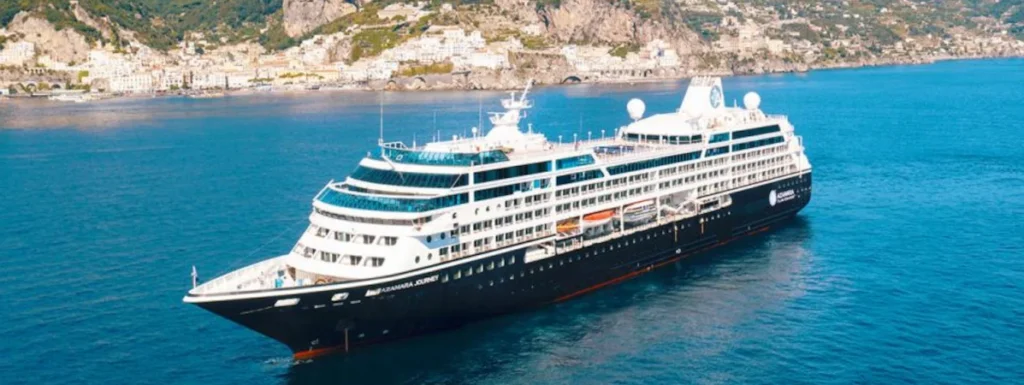
Azamara Journey is scheduled to call at Haugesund on Saturday, 01 August 2026, arriving at 08:00 and departing at 20:00 local time. Cruise operations are expected to proceed normally, with harbour services preparing for another active day in Haugesund’s summer cruise season. - Kopervik Terminal (Vestamarankaien): Regional Traffic Update
Operations continue normally at Vestamarankaien, supporting regional passenger services, coastal shipping and local maritime traffic throughout the Karmsund district. The terminal remains an important transport link for scheduled coastal services and seasonal maritime activity.
- Husøy Cargo Terminals: Industrial cargo operations continue normally across ro-ro, container and conventional cargo segments. Ongoing infrastructure investments and quay improvements continue to strengthen the terminal’s long-term operational capacity.